

XREAL's Project Aura, X1S chip, Neo battery and Enterprise push: my interview with Ralph
In a quick sit-down, XREAL's North America GM Ralph walked me through Project Aura's 70 degree field of view, the new X1S chip, the XREAL Neo battery and the return of XREAL for Enterprise.

Jesse Nowlin
Founder, TABGEEKS · · 4 min read
I only had a couple of minutes with Ralph, XREAL's newly promoted general manager of North America, so we went fast. XREAL had just won an Augie for best head-worn device, and on stage the day before they'd dropped new details on Project Aura, a new chip, a battery pack called XREAL Neo, and a return to enterprise.
I'm a daily XREAL user. My main use case is an ultrawide screen on the go, and I care a lot about privacy for work. So I pushed on the things that matter to me: field of view, speed, dev timelines and the business story.
The headline: Project Aura's 70 degree field of view is a big jump, and XREAL for Enterprise could be the most important announcement for my audience.
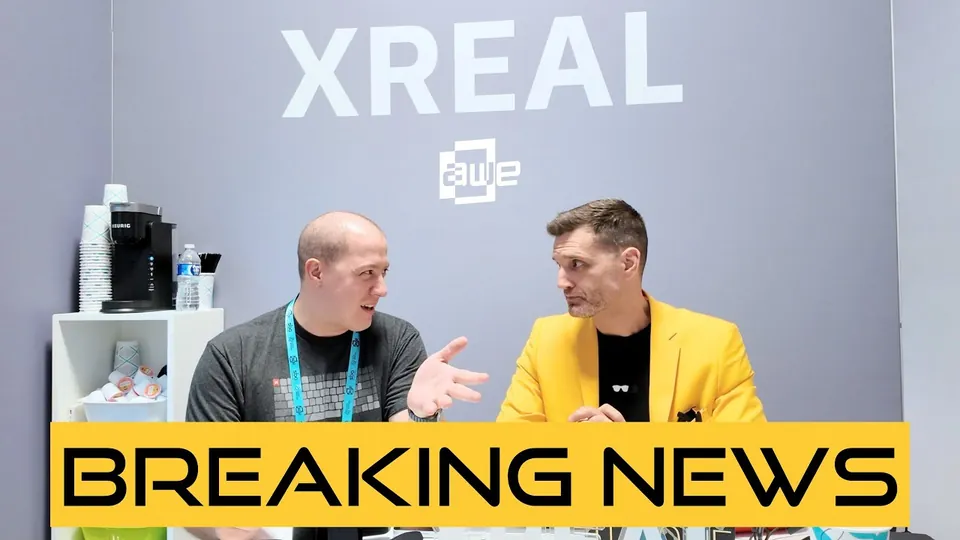
Prefer to watch? The full video is right here. 10:21 · Watch on YouTube
Jump to a section in the video
Project Aura's 70 degree field of view
Ralph called the 70 degree field of view on Project Aura "irresponsibly large", and I'm with him. It's close to full peripheral. You get a lot more out to the sides and a good amount more up top. For comparison, the XREAL One Pro is 57 degrees, and Ralph was firm that the 57 is a true number off a small panel, not an inflated one.
In my review of the One Pro versus the One, I noticed the wider field of view, but only marginally. Seventy should be much more noticeable, and much better for my ultrawide setup, letting me see more of the screen without anything cut off. Ralph said Aura's field of view comes from the power of Android XR and a different set of chips.
It's hard to convey field of view by talking with our hands. Ralph offered to help me show what 50, 57 and 70 degrees actually look like in a future video, robot dog camera rig and all. I'm holding him to that.
The X1S chip
XREAL spent about two and a half years in the R and D lab building the X1 chip, which launched in December in the XREAL One and then the One Pro, so the glasses could do spatial processing on the device. For Aura, they needed more and faster power. The result is the X1S, which Ralph described as 25% faster and made for multitasking. He wouldn't share more statistics until they're ready to show it.
The Aura handheld puck has a Snapdragon chip inside. Qualcomm had just announced new XR silicon, and I asked if that's the one. Ralph would only confirm it's a Snapdragon chip with a great amount of power, saving the speeds and feeds for when they can show the experience.
Dev kit timing and the content problem
I asked about dev kit timing, end of the year or CES. Ralph couldn't say yet. The plan is to keep working closely with partners, including Google, and get devices into developers' hands first, which is the right call.
That ties into a frustration in the ecosystem today: there isn't a lot of content. Other creators at the show and I were discussing why more people aren't filming for 180 or 3D. The market is small, so it needs both more people buying devices and more developers building apps and experiences.
XREAL Neo battery pack
XREAL Neo is a 10,000 mAh battery pack. It has a magnet on the front that goes onto the back of an iPhone, but it doesn't do MagSafe charging. The point is to plug in a handheld gaming device and pass the display through to the glasses, so you're not straining that device's battery. It also has a kickstand, which I love. My Pixel 9 Pro Fold is currently propped up with a janky one.
XREAL's older hub gave you a dongle with ports for power and glasses, but you still had to be attached to power somewhere. Neo is that power. It works with handheld gaming consoles, and Ralph said the lab has figured out a way to get Nintendo Switch 2 players onto the glasses, which was the first thing I tested when I got my Switch 2. The answer then was sad. Neo was due later that summer.
XREAL for Enterprise is back
This is the part I care most about for a business audience. Ralph said enterprise is XREAL's roots. Its first glasses, the Nreal Light, were essentially a dev kit for enterprise. After going hard in consumer, XREAL now has a family of glasses at different fields of view, price points and tracking levels, and enterprise customers are asking them to come back. It's day one, so they're rebuilding it.
His pitch is a good one: lots of companies bought hundreds or thousands of headsets that are reaching end of life and becoming bricks, and XREAL wants to replace them with functional, lightweight, tethered AR glasses. The form factor has changed a lot since everyone assumed it would be HoloLens style.
“This is private, confidential. You can work on stuff that nobody else is able to see.”
A friend of mine is a lawyer who flies around the country, and he asked me which portable monitors to attach to his laptop. My answer: you don't want screens anymore, you want these. That's true for the legal community, the business community and the enterprise community.
Bottom line
Project Aura's 70 degree field of view and the faster X1S chip are the exciting consumer news, and Neo fixes a real battery annoyance for gaming. But XREAL for Enterprise is the one to watch if you buy gear for a team. Private, portable screens are exactly what a lot of professionals need.
Gear in this story
- XREAL glassesxreal.pxf.io (opens in a new tab)
Some of these store links are affiliate links. If you buy through them, the channel may get a small commission at no extra cost to you. Affiliate disclosure
Related stories
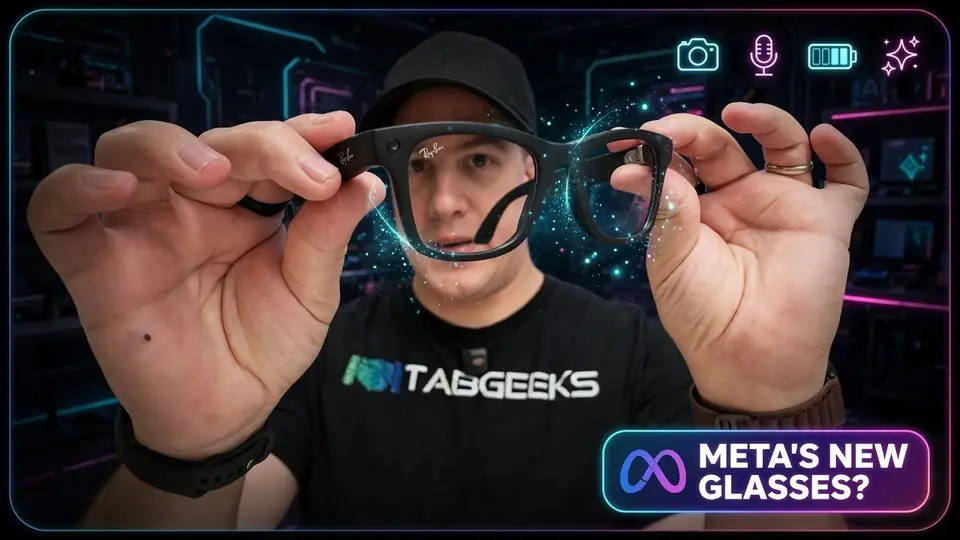
Hands-on with the new Meta Ray-Ban Gen 3: Aviators, a camera-free option and a smaller camera
Sep 25, 2026 · 4 min read
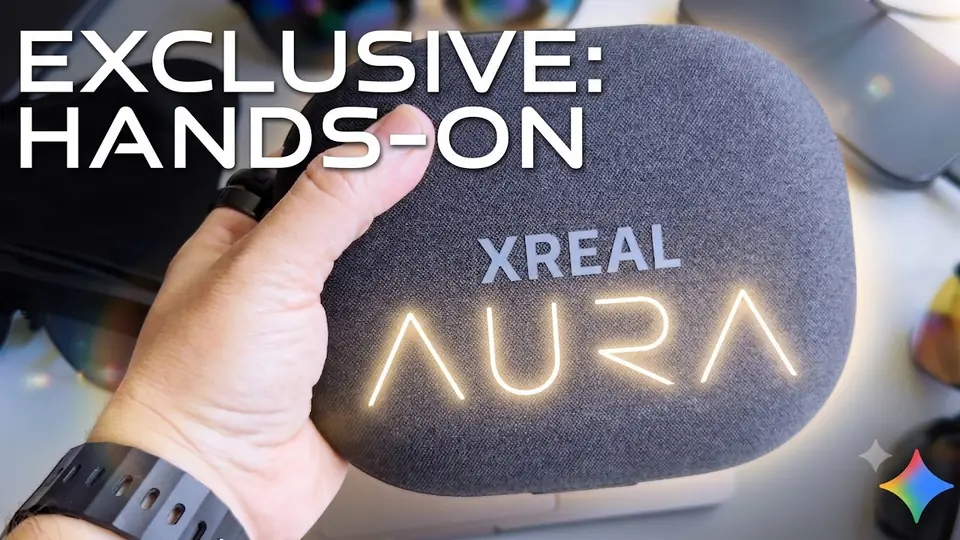
Unboxing XREAL Aura: Android XR in a case that fits your backpack
Jun 24, 2026 · 5 min read
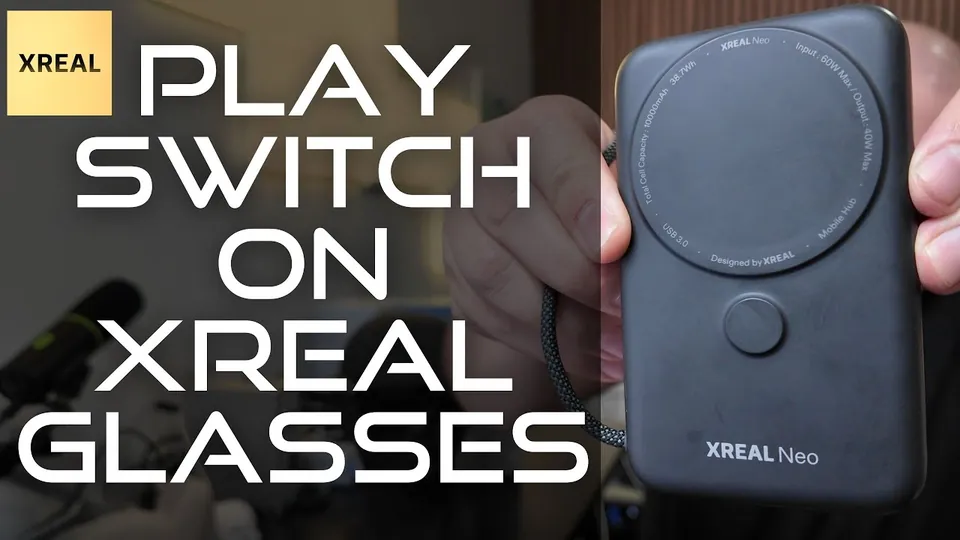
XREAL Neo: a $99 battery pack that also plays your Switch on AR glasses
Jan 4, 2026 · 3 min read
Jesse Nowlin
Founder of TABGEEKS, former IT Director and Google Developer Expert. I test networking and pro tech on real job sites, then write up what I find.
Join the community