

Why everyone is wrong about Googlebooks
I bought the Dell XPS Googlebook myself and took it to Google's headquarters for the Android Developer Summit. Most coverage compares it to a MacBook Pro. I think that misses the point entirely.

Jesse Nowlin
Founder, TABGEEKS · · 5 min read
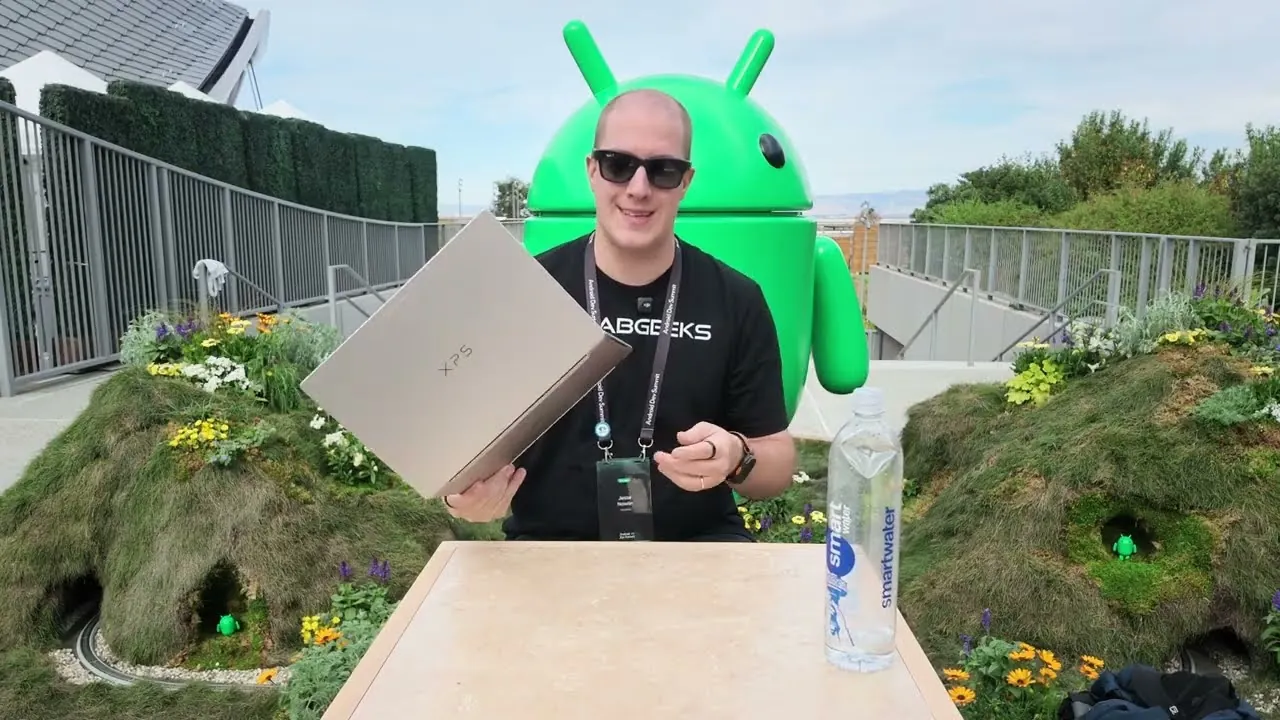
Googlebooks are the next evolutionary step of Chromebooks. Most of the coverage so far has painted them in a negative light, and I think that's because reviewers keep comparing them to a MacBook Pro. That's the wrong comparison.
I'm a Google Developer Expert, a Google Workspace specialist, and I've been covering Chromebooks for over a decade. I bought the Dell XPS Googlebook with my own money and brought it to Google's headquarters for the Android Developer Summit, where I talked with people on the team. Here's how I think about what it is, what works, what's missing and who should buy one.
The short version: judge it as a Chromebook reborn, not as a Mac competitor, and it makes a lot more sense. It's early, but Google is moving fast.
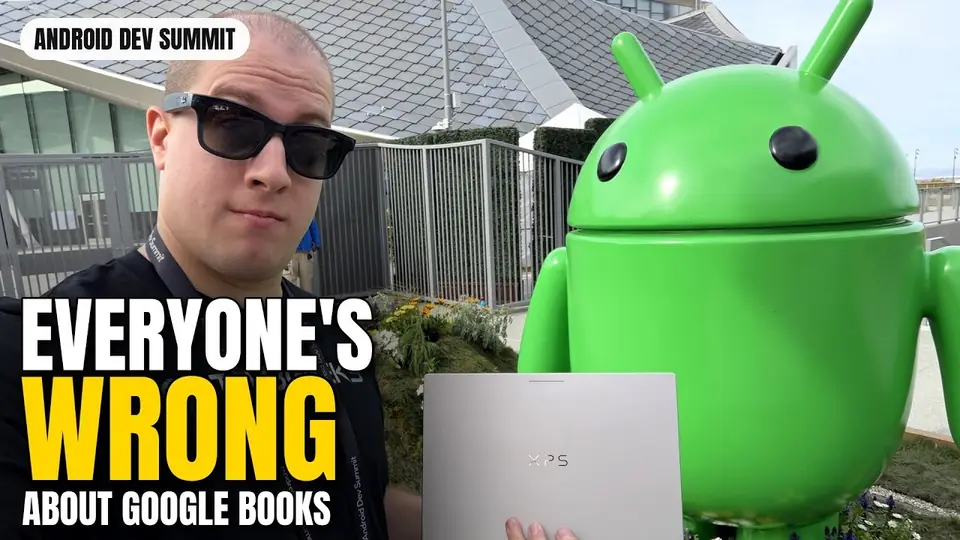
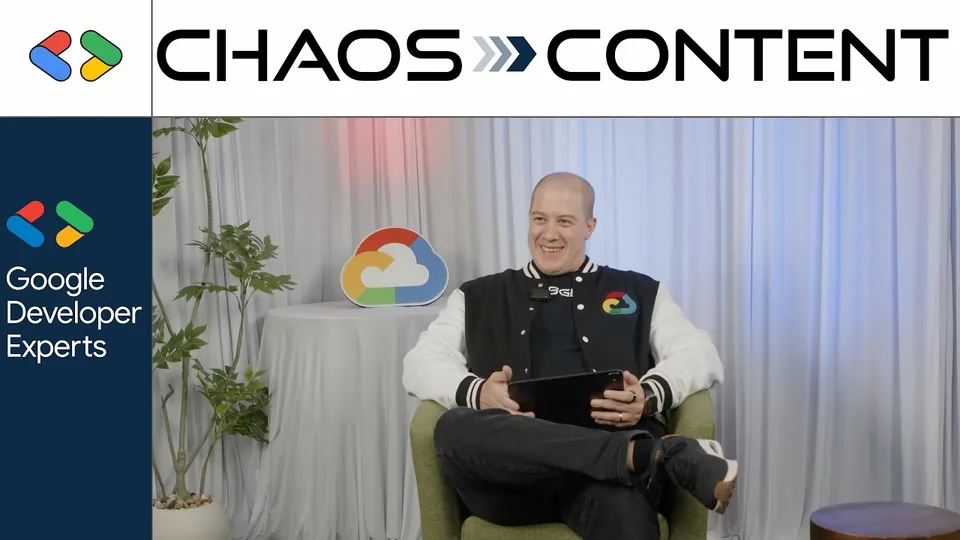
Prefer to watch? The full video is right here. 12:21 · Watch on YouTube
Jump to a section in the video
Why the MacBook comparison misses the point
I'll give the critics this: the XPS has build quality that can and should be compared to a MacBook Pro. It's lightweight, small and made of aluminum. It feels really good, and it has a big, bright touchscreen. But it's not a MacBook, and some of the framing around the launch, comparing it to a MacBook Pro or a Surface laptop, set the wrong expectations. You should be comparing it to Chromebooks.
How Chromebooks got here
Chromebooks started out 10 to 15 years ago with one premise: you do your work in a browser. It was the beginning of the SaaS era. Anyone who has used Google Workspace knows the drill. You go to gmail.com or docs.google.com, and that's where you work.
Over the years, people asked for more: deeper integration with the Google ecosystem, and the Android apps they already had on their phones. Google tacked on enough Android to run those apps, and it was heralded as the next generation of Chromebooks. The problem is that everything we asked for got bolted onto a system that was on a collision course with Android. And Android, as great as it is, is still a mobile operating system.
Starting over, with the browser still at the core
When you tack on enough things over the years, you eventually need a reset. Googlebooks don't run pure Android. They run a new operating system built on Android architecture that still has the browser at its core, so you get the browser-first experience you're used to plus a lot more device-level capability.
Because it's built on Android, you can run most Android apps. I say most because some simply show as not compatible, which is a frustration. But if you use it the way you'd use a Chromebook, logging into the browser, using Gemini and a couple of apps, it's a really delightful experience. The interface is newer, fresher, much faster and, in my opinion, much easier to use. For a generation of kids who grew up with Chromebooks at school and Android phones, it'll feel like a natural evolution of Google's Material Design direction.
What's missing right now
My biggest complaint, and the one I've been screaming from the rooftops, is user profiles. I want to log into multiple user profiles in Chrome. I raised it with the Google team, and while I was recording, one of the higher-ups on the Android team walked by and said they know about it and are working on it.
There are also gaps on the enterprise side. If your company has a specific use case blocking a rollout, I'm in touch with the team and can pass that feedback along. If a company wants to order 500 of these but can't until one feature lands, the team should know.
“Googlebooks are the next evolutionary step of Chromebooks.”
The Google ecosystem advantage
Apple has its walled garden of iPhone, Apple Watch, AirPods and MacBooks. Google's version is Android phones, including Pixel, plus Pixel Buds, and they all integrate really well with the Googlebook. Your phone can Fast Pair directly to it, and your phone notifications show up natively on the laptop. That's been very helpful, because I pick up my phone less often. App streaming works too, but not 100% with everything yet.
Early days, fast updates
The device had been out for a couple of weeks at this point. A lot of the issues are software, and Google has already shipped a bunch of updates. If you got one and set it aside because it wasn't ready, try it again. The team is listening and wants to hear how people use it.
Being on the same architecture as Android also means bug fixes, security updates and new features can come to Googlebooks much faster than they could to a separate Chromebook operating system. That's the whole point of the reset.
Yes, they're expensive
Chromebooks were affordable for so long that many of us in business were asking for the opposite: something that isn't plasticky or built to survive kids, something you could give to executives, because for knowledge work, Chromebooks were excellent. This is that. More devices are coming, and Lenovo has already talked about one that I think will be more affordable.
On AI, Gemini is admittedly quite good. It isn't the agentic world some other agents offer, but as an assistant for questions, research and knowledge work, it's phenomenal and improving, and having it across your phone, laptop and earbuds on one platform will make that smoother.
Who it's for
Googlers first. Google has long handed out its Pixelbooks and Chromebooks internally, and Antigravity, Google's AI coding tool, comes pre-installed and optimized for this form factor, so Google's developers will use it. It's also a fantastic laptop for knowledge workers, whether you're an executive or a field worker doing data entry and work on websites. College students who want a powerful AI-capable machine tied into Android are a great fit too.
Lower-grade classrooms? Not yet. I wouldn't hand a machine this nice to a young kid for class. Cheaper models, like the convertible or detachable one Lenovo has talked about, are what will get there.
Bottom line
Stop comparing the Googlebook to a MacBook Pro. It's the reset Chromebooks needed: browser at the core, Android underneath, and much better integration with Google's ecosystem. It's still early innings, with missing profiles, some incompatible apps and enterprise gaps, but the foundation is right and Google is moving fast.
Gear in this story
- Dell XPS Googlebook
Ubiquiti Store links are affiliate links. If you buy through them, the channel may get a small commission at no extra cost to you. Affiliate disclosure
Related stories
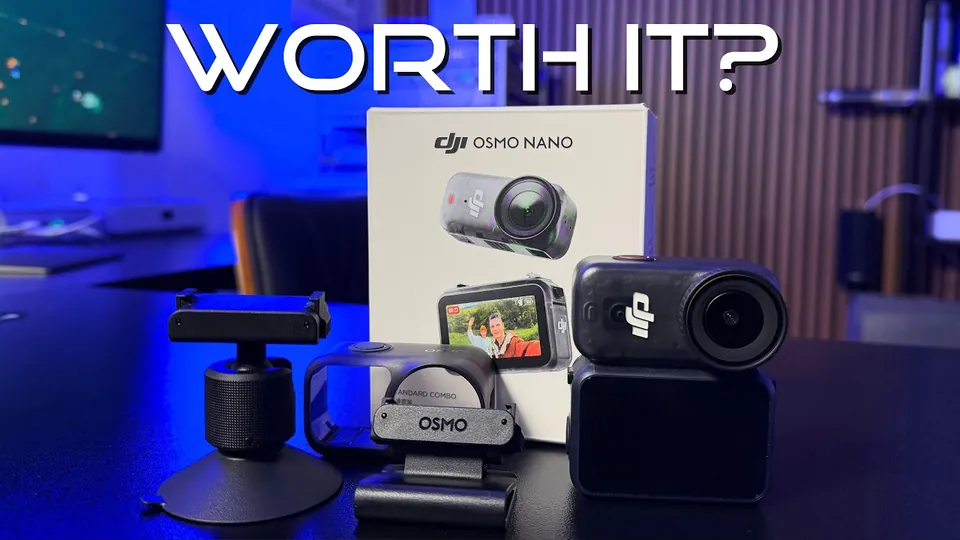
DJI Osmo Nano unboxing and first look: a tiny camera with a lot in the box
Oct 1, 2025 · 4 min read
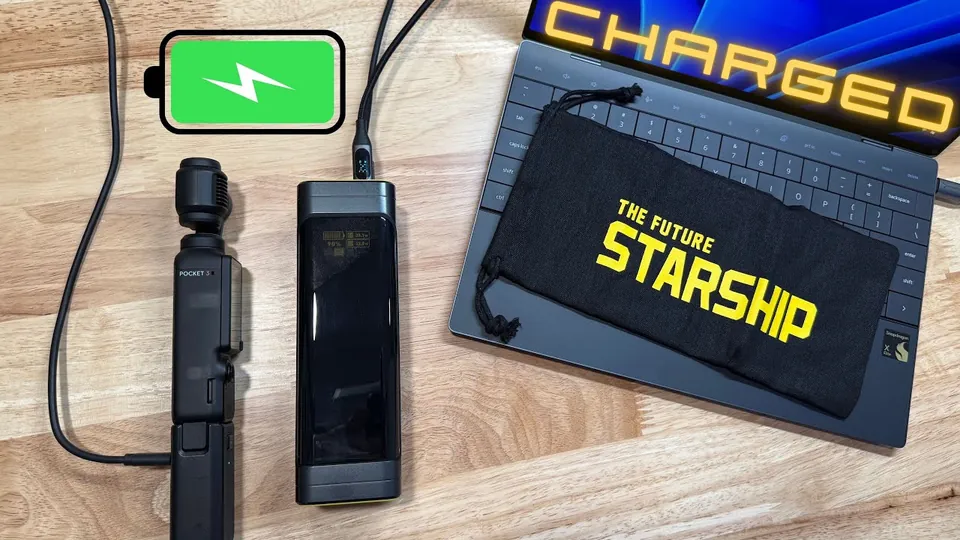
Aohi Starship 240W power bank review: laptop power in a soda can
Apr 2, 2025 · 3 min read
Don't film everything: my framework for covering tech conferences
Jun 12, 2026 · 6 min read
Jesse Nowlin
Founder of TABGEEKS, former IT Director and Google Developer Expert. I test networking and pro tech on real job sites, then write up what I find.
Join the community