

Don't film everything: my framework for covering tech conferences
Big conferences are chaos. Here is the framework I use to turn one event into a vlog plus a stack of focused videos, the small kit I carry, and how I edit on the road without losing my mind.

Jesse Nowlin
Founder, TABGEEKS · · 6 min read
I am at Google Cloud Next in Las Vegas, and between the show floor, the sessions and the travel, a conference like this is pure chaos. If you try to capture all of it, you will drown in the edit. But if you walk in with a framework, you can turn that chaos into one cohesive story, and usually several.
I have been to Vegas over 100 times for work, and I flew in for a single day for ISC West a couple of weeks ago, covered the Ubiquiti booth and the rest of the floor, and had everything I needed when I got home. Here is how I approach it: tell your story, break experiences into their own videos, nail the audio, and keep the kit light.
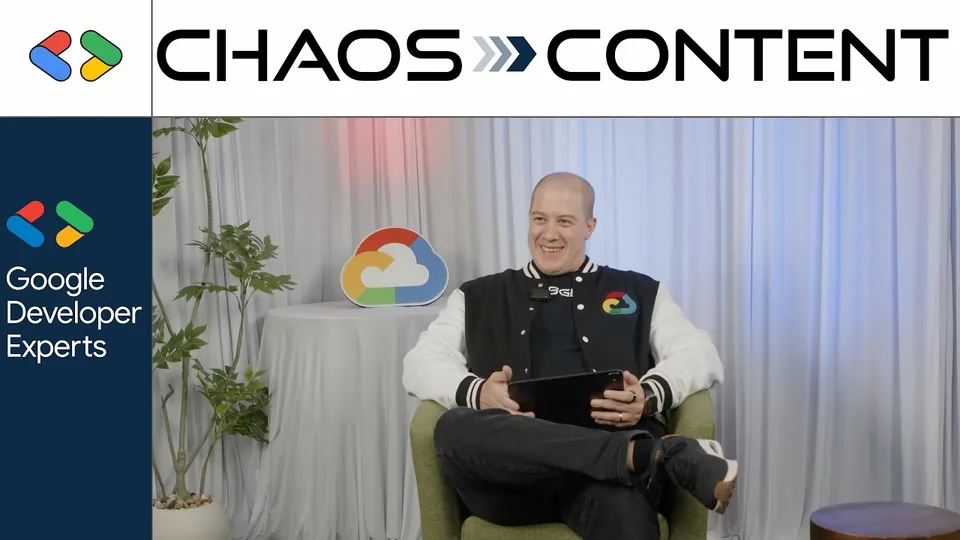
Prefer to watch? The full video is right here. 20:47 · Watch on YouTube
Jump to a section in the video
Start with the story, and put yourself in it
If you are making a vlog, start with the journey. I like to film myself walking past the LGB sign at Long Beach Airport, using the phone's front and back cameras at the same time so the shot starts with my face and the motion of the trip. Add a good song to set the tone, a plane takeoff sound effect, and you are off. From there, a quick cut through checking into the hotel, setting up gear and building my mobile editing desk.
The key point a lot of people miss, especially when they are starting out: show yourself. Most people point the camera at what is in front of them. Anybody can see those pictures. Show the lines, show the people, and show yourself talking to other folks. I also include getting my registration and badge, because I used to watch other people's conference videos to figure out exactly how that worked.
This matters more now. Anybody can get any information by asking an AI agent. If your video only shows what countless blogs already covered, why would anyone watch you? Make yourself and the people around you the subject. Ryan Trahan is great at this. He just goes, talks to people, and builds the story around who he meets.
Film less, and make every experience its own video
“If you film everything, you're going to crash.”
Film too much and you will spend days, if not weeks, cutting it into pieces and trying to keep it organized. You get lost, frustrated, and eventually you give up. Focus on the moments when you are experiencing something for the first time, so you get the reaction and the delight. Then turn the camera off, play with it, take notes and grab some b-roll.
For a big show, I film several videos. Last year I did seven or eight around this one week, and this year I am doing more. Conferences build experiences, and each one is a video. It does not have to be an hour. People like 10, 15, 20 minutes tops.
Last year, Google worked with the NBA on a booth that used off-the-shelf Pixel 9 phones positioned around a basketball court to capture your shot, analyze your form, tell you how to improve and track shots and rebounds. That is a story, and that is a video. At AWE in Long Beach, I wore Snap's Spectacles and walked the floor reaching for things nobody else could see. I turned the camera on myself, and that was another video.
This is also about search. The vlog is great, but if you want long-form content discovered organically over time, "I tested the new glasses from Snap at this conference" beats "I went to this conference."
Audio over everything
My camera is the DJI Pocket 3. The Pocket 4 has been announced but was not available in the US yet, which upsets me. The Pocket 3 is small, has a great battery and a built-in wireless transmitter for a wireless mic. That last part is key, because your video can look like it was filmed with a potato, but if your audio is crisp, people will still watch. If the audio is bad, they are gone.
I use the DJI Mic Mini. Hold it close to your mouth, but watch your breathing, and it does a phenomenal job of turning show floor noise into a general hum. For audio I thought was not salvageable, Adobe Podcast's AI tool has saved me more than once.
For interviews, pass the mic back and forth. A lapel mic struggles with the other person, raises the ambient level and picks up more floor noise. Handing it over also frames the conversation, calms people down so they ramble less, and makes editing easier. If you need to cut a pause, zoom in on the other person and nobody knows the break happened.
Lighting will be terrible. A small LED helps, and DJI announced a top-mounted spotlight for the Pocket 4. Or accept that this is a road video. As long as the audio and video are good and you are telling a story, you will be fine.
Editing on the road and filming from your hotel room
I used to bring one or two mobile monitors, then XREAL glasses for a virtual wide display. Now, and I know I am privileged to say it, I use the Apple Vision Pro. I edit in Final Cut Pro with a full widescreen timeline in front of me, plus notes, a clock, music and Artlist open around me. It is more space than my desk at home.
Years ago at Next in San Francisco, I got randomly upgraded to a presidential suite, hosted a creator meetup, and then edited hunched over my laptop and a tiny LCD screen until about 1:00 in the morning. Now I put my feet up, lean back on a pillow and edit in space. The headset is heavy, but it is much easier.
Hotel rooms are usually quiet enough to record. I bring an inflatable light bar that diffuses light, charges over USB-C and even has a solar panel. Put it on the bed or a hook, use the window as a backdrop without blowing it out, and it looks almost premium. It is perfect for day one, here is my gear, and day three, I do not know what day it is anymore.
That setup has saved launches. Companies release products on their schedule, not mine. Once I brought a product I had early to an out-of-town conference, it launched, and I filmed and edited that night and hit the embargo on time.
Establishing shots and the villain of the story
Capture establishing shots and b-roll: the booth you are walking up to, the scale of the hall, you getting your badge or riding the monorail. You will forget something, and that footage lets you fill gaps with a voiceover later. If you get access other people do not, like the hall before the carpet goes down, show it.
Finally, embrace the chaos. Delayed flights, reroutes and long walks are the struggle, the villain of the story, and that is what makes people wonder whether you will make it in time.
Bottom line
Go in with a plan. Tell your own story, treat each experience as its own focused video, protect your audio, keep the kit small, and use your hotel room. You will come home with more videos and a lot less frustration.
Gear in this story
- DJI Pocket 3Amazon (opens in a new tab)
- DJI Pocket 4Amazon (opens in a new tab)
- DJI Mic MiniAmazon (opens in a new tab)
- Inflatable light barAmazon (opens in a new tab)
- Apple Vision Pro
Some of these store links are affiliate links. If you buy through them, the channel may get a small commission at no extra cost to you. Affiliate disclosure
Related stories
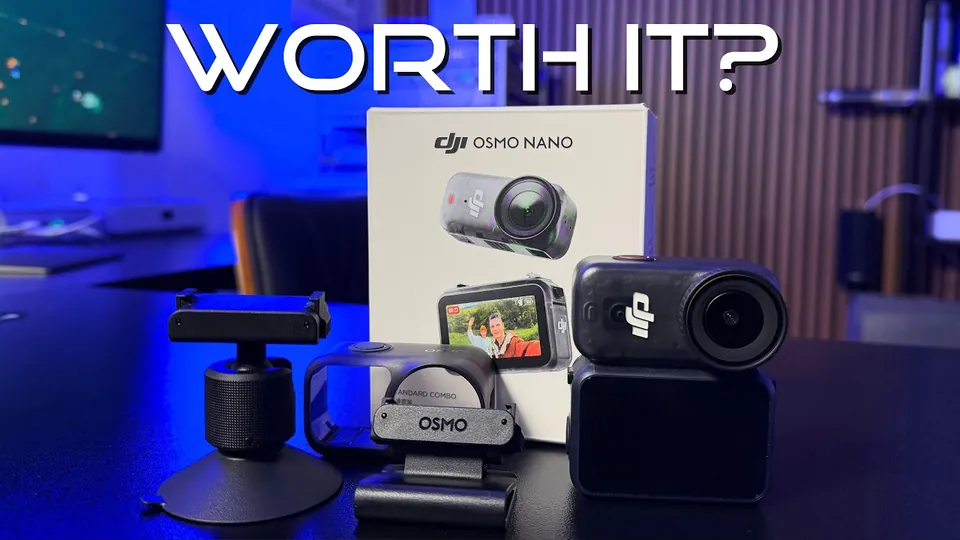
DJI Osmo Nano unboxing and first look: a tiny camera with a lot in the box
Oct 1, 2025 · 4 min read
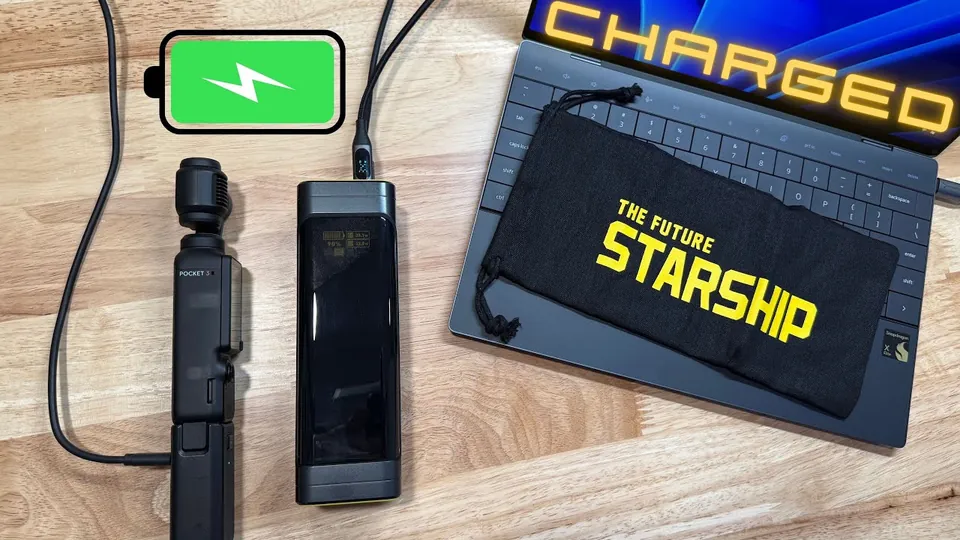
Aohi Starship 240W power bank review: laptop power in a soda can
Apr 2, 2025 · 3 min read
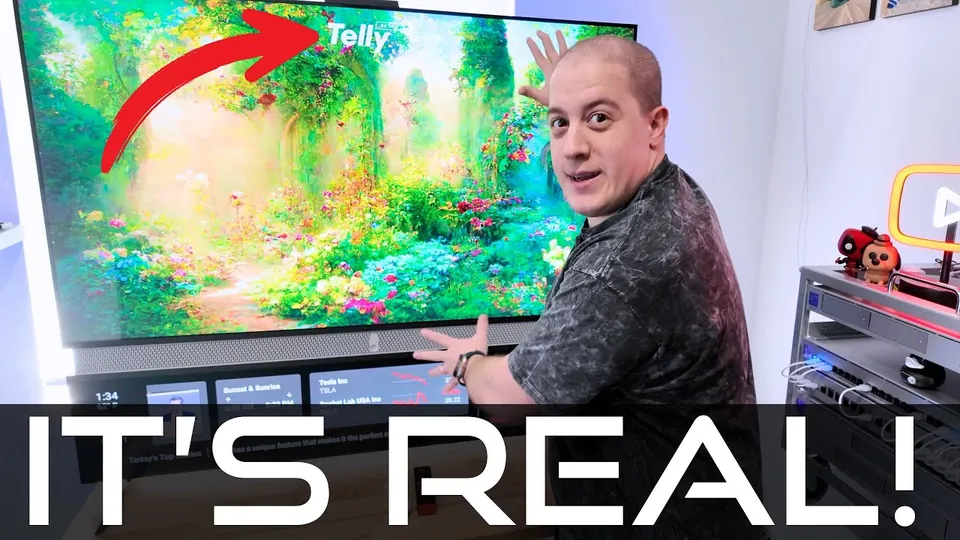
Telly review: what it's like to live with a free 55 inch TV
Feb 13, 2025 · 4 min read
Jesse Nowlin
Founder of TABGEEKS, former IT Director and Google Developer Expert. I test networking and pro tech on real job sites, then write up what I find.
Join the community